I Am a Small, a Medium and a Large, and I Have Stopped Apologising For It
Three brands, three sizes, one body that did not change in between. What I worked out about sizing, and how I buy now.
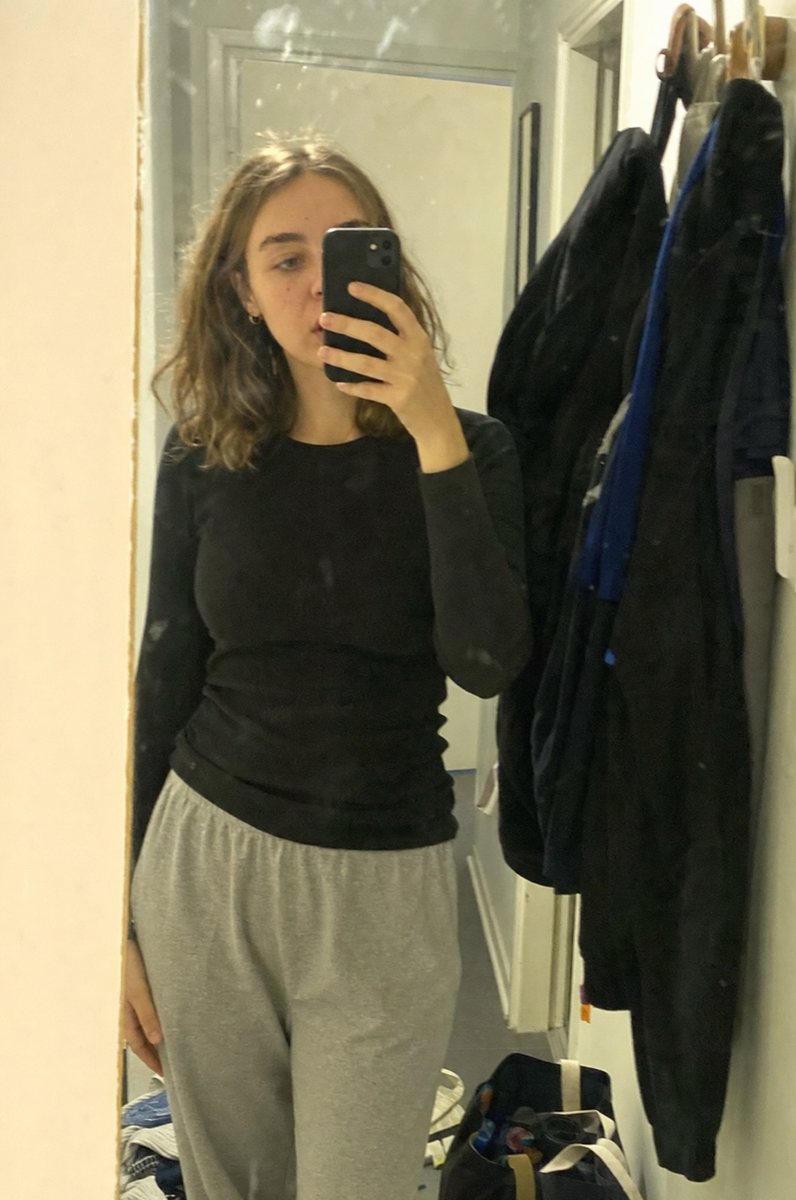
I own a small, a medium and a large. Same body, bought inside the same month. The only thing that changed between them was which factory did the guessing.
Nobody is regulating this
There is no legal standard for clothing sizes. None. A medium is whatever the pattern cutter at that factory decided a medium was, and the next factory decided something else.
Two jumpers hanging on the same rail, both labelled M, can differ by several centimetres through the chest. That is not a mistake anyone is going to fix, because there is no rule being broken.
Which means the letter on the label is not information about your body. It is information about theirs.
The part that actually stings
It is not the return. Returns are annoying and then they are over. It is the half second in the changing room, before you have thought anything through, when a zip does not close and some part of you files it as a verdict.
Clothes shopping is close to the only ordinary activity built so that a stranger's arbitrary decision arrives feeling like a fact about you. And it arrives while you are half undressed under bad lighting, which is not a fair fight.
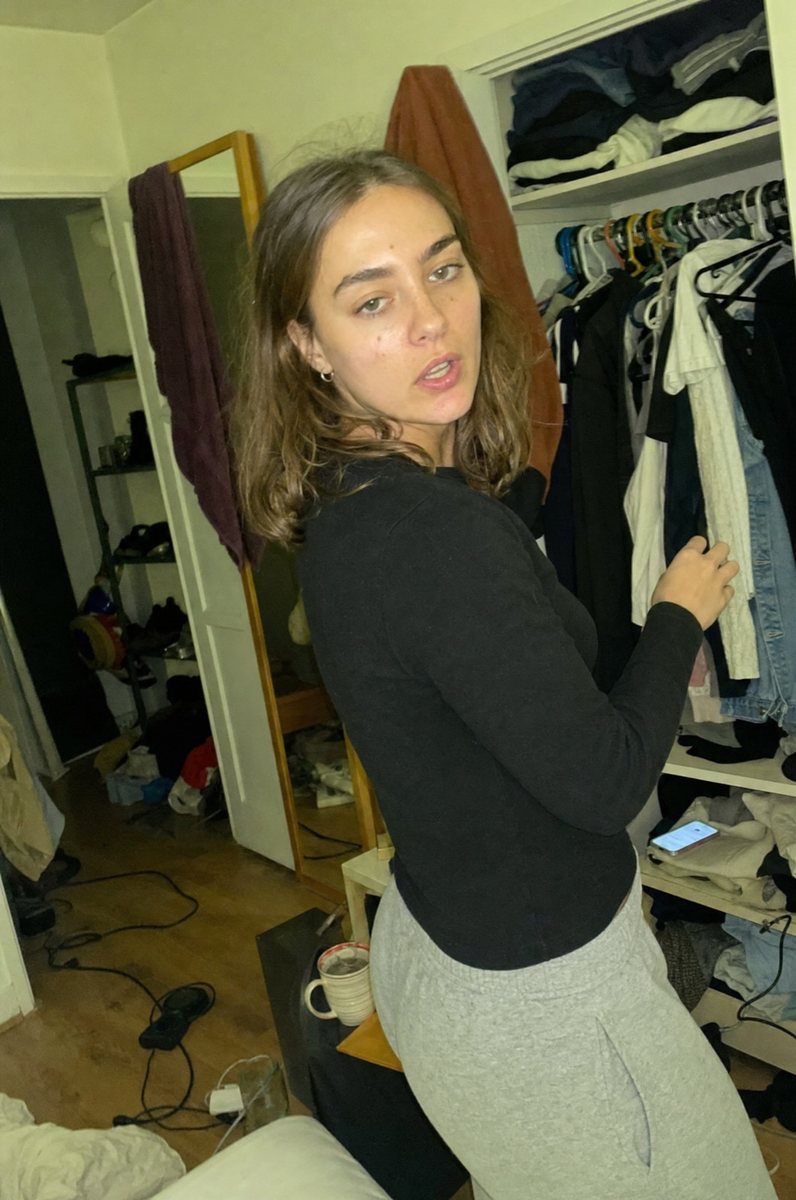
What I check now instead of the size
Measurements before letters, every time. A chest and an inseam in centimetres tell you something. An M tells you nothing until you know whose M it is.
Then the cut, which matters more than the number. A garment designed to sit close has to be right. A garment designed to hang loose has several centimetres of forgiveness built into it before anyone would notice, and that forgiveness is the whole reason relaxed cuts are worth buying when you are between sizes.
And in a two piece, buy for whichever half of you is wider. A set will not let you split the difference, so let the looser half be loose and stop negotiating with the other one.
The thing that made the biggest difference
Once I stopped buying anything that required me to be a specific number, the verdict went away. Not because I got braver about it. Because I removed the moment where a judgement could be issued.
The side effect is that I wear those things far more often, which makes them the cheapest garments I own per wear. Comfort is not the opposite of caring how you look. It is usually the reason a good piece gets worn enough to be worth the money.
When you are two different sizes at once
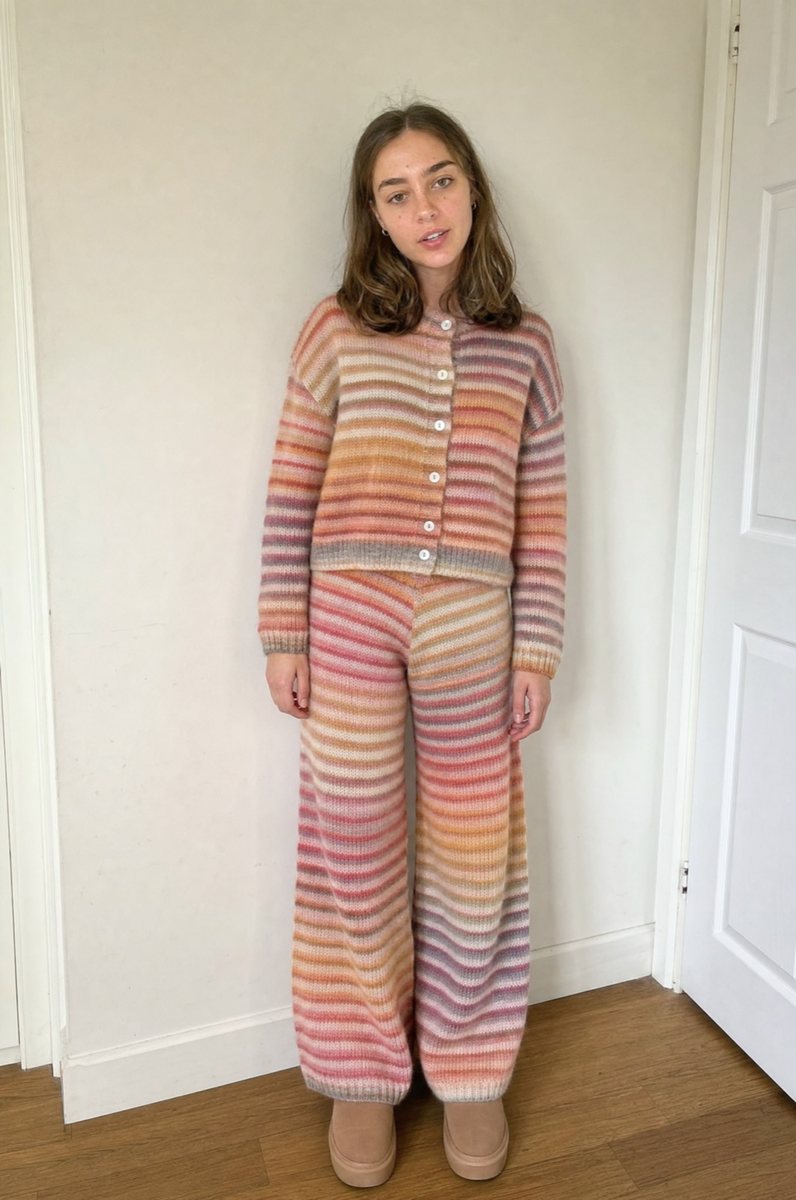
This is the case that used to defeat me. A two piece where the top half and the bottom half of you disagree, and the set refuses to let you buy two sizes.
The cardigan is cropped and cut loose, the pants are wide through the leg, so both halves have room built in before anything looks wrong. Buy for the wider half and the other half reads as deliberately relaxed rather than too big.
When you do not want to think about it at all
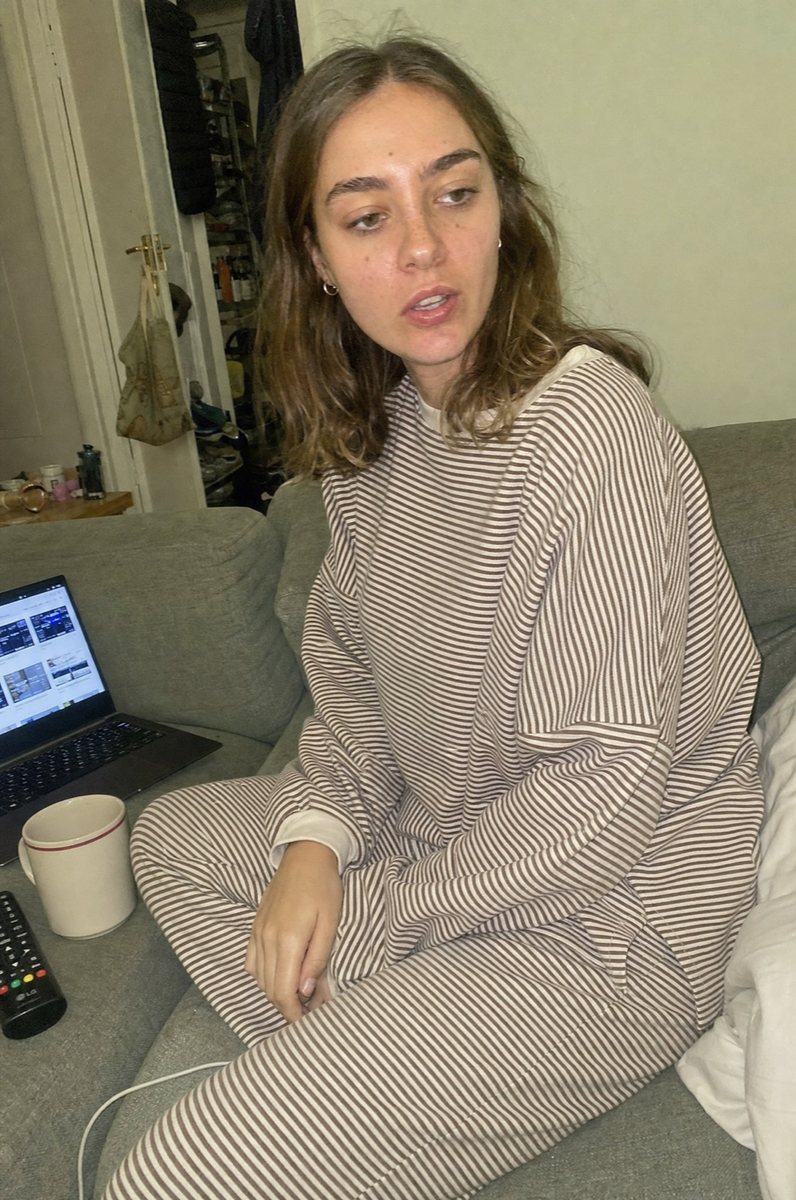
Cut oversized on purpose, which means the size question mostly stops applying. Take your usual size and the fit is the fit that was designed.
The only thing worth deciding is length, and that is a preference rather than a verdict. If you want the top longer, go up one. Nothing about that is a statement about your body.
The one place the number really does matter
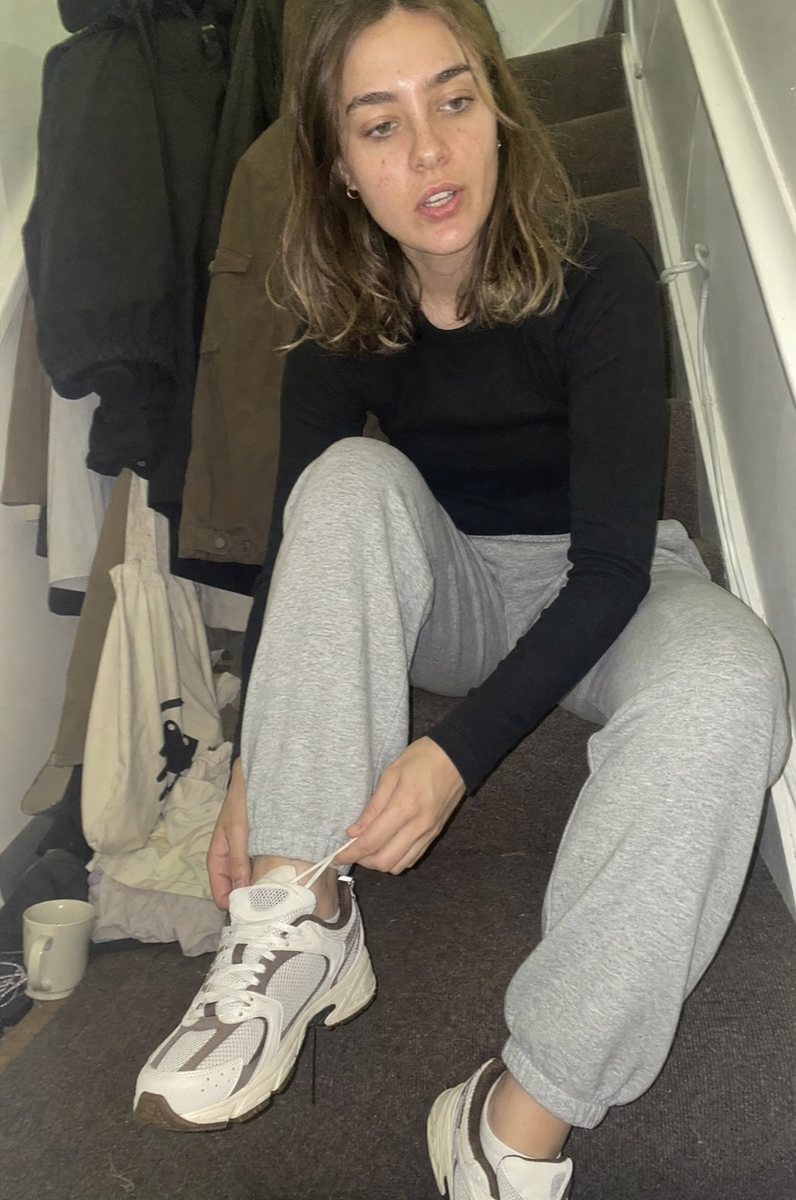
Shoes are the exception to everything above. A chunky upper has no give in it, so unlike a loose knit there is nothing to rescue a fit that is slightly wrong.
Fifteen sizes are listed, every half size from a 5 to a 12, which is the single most useful thing on that listing. If you are between two, take the larger. A shoe that is marginally roomy is a shoe you wear; a shoe that is marginally tight is a shoe in a cupboard.
Questions I was asked
- If sizes are meaningless, how do I order with any confidence?
- Stop reading the letter and start reading the centimetres. Measure a garment you already own and like, compare it against the listed measurements, and ignore what the label calls it. If measurements are not published, ask before you buy. It is a fair question.
- What if it arrives and it is wrong?
- Then you return it, and that is annoying rather than a verdict on you. The point of this post is that the letter on the label is information about the factory, not about your body.
- Do I size up or down when I am between?
- In anything knitted or cut loose, take the wider half and let it be loose. In shoes, take the larger of the two, because a chunky upper has no give to rescue a fit that is slightly tight.
['I still own the small, the medium and the large. I have just stopped reading them as a report card.', "If you take one thing from this: check the measurements, buy for the wider half, and let the loose things be loose. Everything else is a stranger's guess about a body they have never seen."]
Nora